

Are you seeking more inner peace? More peace in your life, your relationships and your work? Maybe you’re still suffering from old scar tissue of a broken heart, you can’t trust people, you can’t trust yourself or you just can’t seem to stop repeating old patterns that work against you.
In a desperate attempt to find peace, many of us have turned to medication to eradicate our suffering. While medication can be an important tool for wellness, it can also cut us off from the mind and body, limiting our ability to feel and numbing us from our authentic experience.
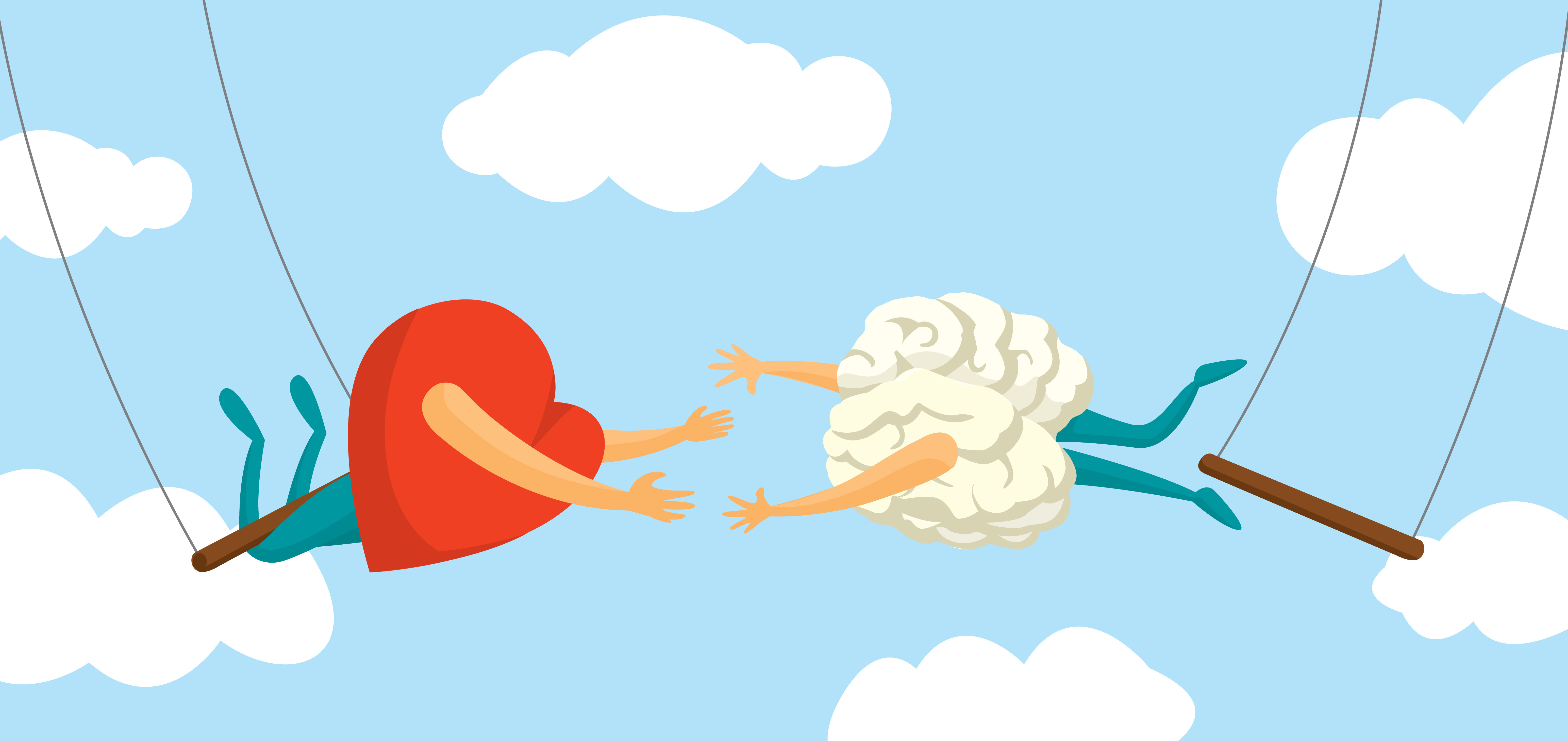
What’s more, we live in technology-driven world that has cut us off from ourselves. For many of us, hours and hours of our days are spent on an electronic device of some kind. Below the neck, technology doesn’t engage us, aside from our fingers. We’ve become what I call “brains on sticks”—limited or no access to our inner experience.
In fact, we are so disconnected from ourselves and our bodies that it’s impacting our ability to function on all levels. Our inability to connect with our bodies in any meaningful way is causing or exacerbating mental health conditions, including anxiety and mood disorders, eating disorders and addiction. In fact, this disconnect is thought to be a feature of most psychiatric disorders.
Disconnection from ourselves also limits our ability to connect with others—periphery narrows, voice is limited, shoulders shrink inward and access to empathy and compassion diminishes exponentially. Our capacity to take in the world around us is gone.
To find contentment, we have to start by developing a deeper relationship between the mind and body. The starting point in that relationship is the lesser known of the two—the body.
Connection to our bodies can be looked at through a concept called interoception, which describes our ability to notice, sense and feel what’s happening inside our bodies. Interoception is the running commentary or mental map of the body’s internal world across conscious and unconscious levels of perception. Interoception is the pathway to an embodiment of inner peace.
When we observe our internal, body experience we’re engaging the part of the brain called the Medial Prefrontal Cortex (mPFC). The mPFC has the ability to stimulate the nervous system, which increases the body’s ability to settle and experience the sensations from our emotional repertoire like serenity, hope, kindness, gratitude, joy and happiness. Some people would say interoception can be defined as the experience of falling in love with ourselves.
If we teach the mind and body how to focus awareness on these positive sensations, we will not only increase our capacity to feel amazing but also have far more resilience to feel the unpleasant moments and not get so easily thrown off center.
In addition to direct effects on ourselves, an increased ability to represent our own internal state is linked to increased ability to understand the emotions and thoughts of others—social engagement. Our ability to read, understand and respond to others leads to increased levels of social support, which increases our resilience and wellbeing. To exist usefully within this world and to improve it, we need to have the capacity and resilience to hold both our internal experience while paying sustained, compassionate attention to our impact on those around us.
Rebecca A. Ward, LMFT, SEP, PCC
Founder, the Iris Institute
Psychotherapy, Executive Coaching & Consulting